Compounded Semaglutide vs Brand Name: Is It Safe and Are All Pharmacies Equal?
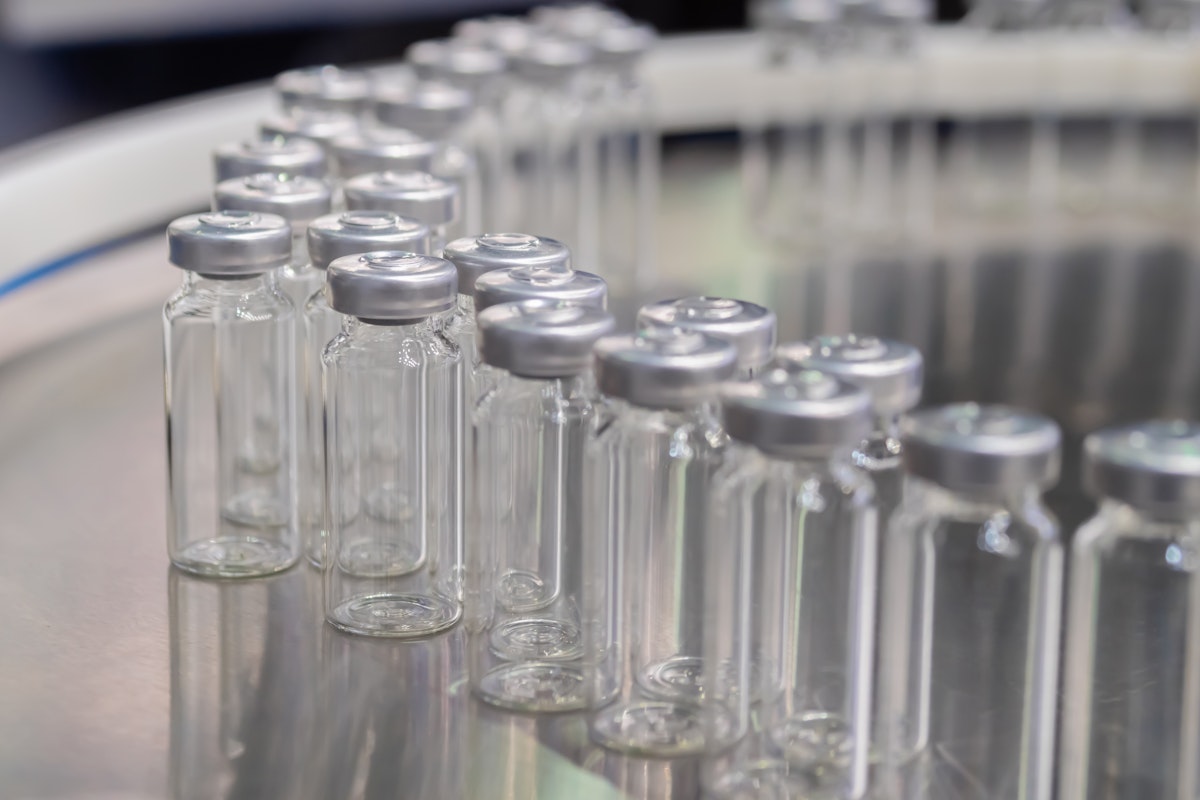
If you’re exploring GLP-1 medications for weight loss—like semaglutide (Ozempic®, Wegovy®) or tirzepatide (Mounjaro®, Zepbound®)—you’ve probably seen terms like “compounded semaglutide” or “compounding pharmacy” pop up, especially when people talk about cost, shortages, or online telehealth programs.
And then the questions start:
Is compounded semaglutide or tirzepatide as safe as a brand-name medication?
How do I know the dose is accurate and the vial is sterile?
Why are some programs charging around $150 a month and others over $400?
What exactly is FDA approved—and what isn’t?
These are completely valid questions. Not all compounding pharmacies follow the same standards, and that matters when your health, your progress, and your safety are on the line.
This article is for you if you are:
Considering GLP-1 medications for weight loss
Already using a compounded prescription weight loss medication
Worried about quality, safety, or the headlines you’ve seen about compounded drugs
We’ll cover:
What compounding pharmacies are and why they exist
How compounded GLP-1 medications differ from brand-name drugs
What is and isn’t FDA approved or regulated
Typical cost differences between compounded and brand-name GLP-1s
The exact questions to ask and red flags to watch for
How Nutree Clinic selects compounding pharmacy partners so your medications are personalized, consistent, and as safe as possible
The goal is simple: to give you clear, honest information so you can feel more confident about the care you’re receiving and the medications you’re putting into your body.
Want to talk this through with a clinician?
If you’re feeling unsure about compounded medications, a brief consultation can help you sort through your options.
Schedule a Nutree Clinic consultation
The Basics: What You Need To Know About Compounding
What Is a Compounding Pharmacy?
A compounding pharmacy prepares custom medications for an individual patient. Instead of dispensing a mass-produced pen or pill from a pharmaceutical company, the pharmacist mixes or prepares a medication to meet a specific need.
This can be helpful when:
A drug is in shortage or temporarily unavailable
A patient needs a different strength than what’s commercially made
A patient has an allergy to a dye, preservative, or ingredient in the standard product
A different dosage form is needed (for example, a liquid instead of a pill)
For GLP-1 medications like semaglutide and tirzepatide, compounding often comes up when there are shortages of brand-name products or when cost makes brand-name pens unrealistic.
Two Main Types of Compounding Pharmacies
In the U.S., there are two major categories:
503A pharmacies
Traditional, state-licensed compounding pharmacies
Make medications for individual patients based on specific prescriptions
Regulated primarily by state boards of pharmacy
Must follow national quality standards such as USP <795> (non-sterile) and USP <797> (sterile)
503B outsourcing facilities
Larger facilities that can compound medications in bulk
Can provide office-use medications to clinics and hospitals in some states
Registered with and inspected by the FDA
Must follow more rigorous manufacturing standards (cGMP), similar to drug manufacturers
Both types can play a role in safe, evidence-based weight loss care. But their oversight and processes differ, which is one reason not all compounding pharmacies are equal.
What Does “Compounded Semaglutide” or “Compounded Tirzepatide” Mean?
Semaglutide is the active pharmaceutical ingredient (API) in:
Ozempic® (approved for type 2 diabetes)
Wegovy® (approved for chronic weight management)
Tirzepatide is the API in:
Mounjaro® (approved for type 2 diabetes)
Zepbound® (approved for chronic weight management)
When a reputable compounding pharmacy prepares semaglutide or tirzepatide for weight loss:
They use the correct API (semaglutide base or tirzepatide) from qualified manufacturers.
They dissolve it in a sterile solution and prepare it in multi-dose vials or prefilled syringes at a specific concentration.
The medication is made for you under a clinician’s prescription, not mass sold over the counter.
Important distinction:
Even though the API may be the same, the compounded medication itself is not the same product as Ozempic, Wegovy, Mounjaro, or Zepbound. It has not gone through the FDA’s full approval process as a finished, branded medication.
What the Science, Regulations, and Drug Shortages Actually Mean
Are Compounded Medications FDA Approved?
Short answer: No.
The FDA approves specific finished drug products, such as:
Ozempic® (semaglutide injection for diabetes)
Wegovy® (semaglutide injection for weight management)
Mounjaro® (tirzepatide injection for diabetes)
Zepbound® (tirzepatide injection for weight management)
Compounded medications:
Are not FDA approved, even if they use an FDA-approved ingredient or the same API
Do not undergo the same large, branded clinical trials as commercial products
Are regulated differently—through oversight of the pharmacy’s practices, not approval of each batch as a “drug product”
This does not automatically mean they are unsafe, but it does mean that pharmacy quality is critical.
The FDA Drug Shortage List: The Legal “Gatekeeper”
There’s an important legal nuance that most patients never hear about: in general, U.S. law only allows certain types of compounding when a drug is not reasonably available as an approved product.
In practice, that means:
When a brand-name drug like Wegovy or Zepbound is on the FDA Drug Shortage List, some compounding pharmacies may be allowed to prepare compounded versions for patients who would otherwise have no access.
If a drug comes off the shortage list and supply stabilizes, 503A pharmacies (and some 503B facilities) may no longer be permitted to compound “copies” of that product in the same way.
Why this matters for you:
The availability of compounded GLP-1s is tied to a regulatory and supply reality that can change. What’s allowed today may look different in six months. Your Nutree clinician will always work within current regulations and will let you know if your options need to change.
How Compounded Medications Are Regulated
Compounding pharmacies must follow rules set by:
State boards of pharmacy (licensing, inspections, complaint handling)
USP (United States Pharmacopeia) standards for sterile and non-sterile compounding
FDA oversight for 503B facilities and certain higher-risk activities
High-quality pharmacies typically:
Use high-quality API from FDA-registered or reputable international manufacturers
Test for potency (does the medication contain the amount of drug it says?)
Test for sterility and endotoxins for injectable medications
Use cleanroom environments and specialized hoods for sterile compounding
Track lots and beyond-use dates (expiration) to support stability and traceability
Where Things Can Go Wrong
Risks increase when pharmacies:
Use the wrong form of the drug (for example, semaglutide sodium instead of semaglutide base)
Cut corners on sterility testing or cleanroom standards
Do not verify potency or rely on unvetted suppliers
Sell products without real prescriptions or market them as “research chemicals”
The FDA has specifically warned about:
Compounded semaglutide products using salt forms (semaglutide sodium, semaglutide acetate) that are not the same as the approved drug and have not been proven safe or effective for weight loss in humans.
Online sellers offering “compounded” GLP-1 medications without prescriptions or without being licensed pharmacies.
This is why where your medication comes from—and how it is made—matters so much.
Compounded GLP-1s: What the Evidence Suggests
There are currently no large, randomized clinical trials of compounded semaglutide or tirzepatide for weight loss that match the scale of the trials done for Wegovy, Ozempic, Zepbound, or Mounjaro.
However:
The mechanism of action is the same when the correct API is used, because the same hormone pathways are activated.
The major variables are quality of compounding, accuracy of the dose, sterility, and how closely your treatment plan and injection technique follow medical guidance.
That’s why medically supervised weight loss with GLP-1 medications requires both evidence-informed prescribing and high standards for pharmacy partners over time.
Cost Comparison: Brand-Name vs Compounded GLP-1 Medications
Cost is a major reason people consider compounded GLP-1 medications, especially when insurance does not cover brand-name options. The figures below are ballpark ranges; actual prices vary by region, pharmacy, dose, and insurance coverage.
Brand-Name GLP-1 Medications
Semaglutide (Ozempic®, Wegovy®)
List price is often around $900–$1,400+ per month before insurance.
Insurance is more likely to cover Ozempic® when prescribed for diabetes than Wegovy® for weight loss.
Tirzepatide (Mounjaro®, Zepbound®)
List price is often in the $1,000–$1,300+ per month range before insurance.
Tirzepatide is generally more expensive than semaglutide as a brand-name medication.
Out-of-pocket, without insurance, many people simply cannot sustain these prices long term, even when the medication is effective.
Compounded Semaglutide and Tirzepatide
Compounded semaglutide pricing often falls around:
$200–$400 per month in many telehealth or local programs
Compounded tirzepatide is usually higher because the raw ingredient costs more:
Common ranges might be around $300–$600 per month, depending on dose and program structure.
Important notes:
A price that is moderately lower than brand-name drugs can make sense, because compounding pharmacies do not have the same marketing or distribution costs as large pharmaceutical companies.
A price that seems too good to be true (for example, $100/month for “semaglutide injections” from a website with minimal or no medical evaluation) is a major red flag.
When comparing prices, pay attention to what is included: some programs bundle labs, visits, messaging, and nutrition support; others sell the medication almost alone.
Bottom line: cost matters, but safety and medical oversight have to come first.
How to Choose a Safe Compounding Pharmacy
If you’re considering compounded GLP-1 medications for weight loss, here are practical questions to ask and warning signs to watch for. You don’t need to ask everything at once, but these can guide a thoughtful conversation with your clinician or pharmacy.
Key Questions for Your Provider or Pharmacy
Pharmacy Status & Oversight: Is the pharmacy licensed in your state, in good standing, and accredited?
Medication Specifics:
Semaglutide: Is it semaglutide base, not a salt form (sodium, etc.)?
Tirzepatide: Is it authentic tirzepatide API from a vetted supplier?
Quality & Testing: How is sterility ensured for injectables? Can they provide an independent Certificate of Analysis (CoA) for potency and purity? How is the beyond-use date determined?
Storage & Shipping: Does it need refrigeration? How is the proper temperature maintained during shipping? What is the protocol for delays or warm arrival?
Support & Communication: Is a pharmacist available for questions? How do you report side effects?
Nutree Clinic simplifies this for you. Our clinicians work directly with trusted pharmacies to translate processes and testing, ensuring you know exactly what you're taking. Talk to a Nutree clinician
Red Flags to Watch For
Be cautious of:
No real visit or prescription required: Websites selling medication after only a quick form.
No labs EVER required: Indicates a lack of necessary medical oversight.
"Research peptides" or "not for human consumption" labels: Sold by unlicensed vendors with no medical oversight.
Misleading ingredients/labeling: Products like "semaglutide sodium" marketed for weight loss, or vague API naming.
Extremely low prices: A sign of poor quality or illegal sourcing.
Inability to verify the pharmacy: No physical address, phone number, or license refusal.
No follow-up care: No planned visits, dose adjustments, or way to report side effects.
Exaggerated promises: Marketing like "no side effects," "miracle shot," or "guaranteed 30-pound weight loss."
Trusting Your Medication: The Human Element
If you feel nervous about starting or continuing a compounded GLP-1 medication, you’re not alone. Many people quietly wrestle with thoughts like:
“I finally found something that helps. What if it’s not safe?”
“Should I feel guilty for not using the brand-name medication?”
“What if I’m wasting money or harming my body without realizing it?”
These fears are understandable—especially when the headlines focus on “dangerous compounded drugs” without nuance or context.
Here are a few grounding truths:
You are allowed to ask questions and understand exactly what you are taking.
Wanting a more affordable option does not mean you are “cutting corners.” It means you are balancing real-life finances with your health.
When compounding is done correctly—with the right API, strong sterile practices, and independent testing— compounded GLP-1s can be part of safe, medically supervised care.
It’s okay to pause, get clarification, or change pharmacies or programs if you don’t feel comfortable.
You deserve a plan that feels both medically sound and safe. At Nutree Clinic, we see your questions as a sign of responsibility, not resistance.
How Nutree Clinic Chooses Compounding Pharmacy Partners
At Nutree Clinic, compounded medications are one tool—used thoughtfully—within a broader, clinician-led weight loss and wellness program.
Our priorities are simple and non-negotiable:
Safety
Consistency
Transparency
1. Thoughtful Use of Brand-Name and Compounded Options
At Nutree Clinic, we work with both FDA-approved GLP-1 medications and high-quality compounded alternatives. Each option has benefits and limitations, and the right choice depends on access, cost, medical history, and your personal goals.
Brand-name medications may be a good fit when:
They are accessible to the patient
They align well with your clinical picture
You prefer a premade, FDA-approved product
Compounded medications may be considered when:
You want a more affordable option
Access to brand-name medications is limited or inconsistent
A customized strength or formulation supports your treatment plan
Our role is to help you understand each pathway clearly so you can make an informed, confident decision that fits your life.
2. High Standards for Pharmacy Partners
Nutree partners only with compounding pharmacies that meet strict standards, including appropriate licensure and compliance with USP <797> for sterile injectables.
Beyond that, we look for more than the minimum:
Use of semaglutide base or authentic tirzepatide—never salt forms for injection.
Reliable sourcing from reputable API manufacturers.
Robust cleanroom practices and in-process controls for sterile compounding.
Independent third-party testing: we require Certificates of Analysis (CoAs) from our pharmacy partners to confirm that every batch contains the correct API, at the right potency, and meets purity and sterility standards.
In other words: we don’t just ask whether a pharmacy can make GLP-1s. We ask them to prove how they’re made.
3. Clear Dosing and Education
We choose pharmacies that prioritize clarity. That means clear vial labeling, written dosing instructions, and easy pharmacist consultation for medication inquiries.
Nutree clinicians then build on this by:
Explaining how your GLP-1 medication works in your body
Reviewing potential side effects and how to navigate them
Integrating the medication into a broader plan for nutrition, movement, sleep, and stress
4. Ongoing Monitoring and Feedback
Safe use of GLP-1 medications is not “set and forget.” Nutree’s telehealth programs include regular check-ins and dose adjustments based on your progress and comfort.
We continuously evaluate our pharmacy partners based on:
Patient outcomes and feedback
Safety data and regulatory updates
Any concerns raised about quality, supply, or consistency
If standards change or new information comes to light, we adjust our partnerships so your care stays aligned with best practices.
Key Takeaways
Not all compounding pharmacies are equal. Differences in sterile technique, testing, sourcing, and oversight can significantly affect the safety and consistency of compounded GLP-1 medications.
Compounded semaglutide and tirzepatide are not FDA-approved products. They may use the same API as brand-name drugs, but they are regulated through pharmacy practice standards, not as approved finished drugs.
Cost differences are real. Brand-name GLP-1 medications often cost $900–$1,400+ per month, while compounded versions may range from about $150–$600 per month depending on the drug and dose. Extremely low prices or “no prescription” offers are major red flags.
Availability depends on the FDA Drug Shortage List and regulations. The ability of some pharmacies to compound GLP-1s is tied to current shortages and legal rules, which can change.
Safe GLP-1 treatment takes more than a vial. It requires a high-quality compounding pharmacy, clear dosing guidance, ongoing monitoring, and space to ask questions and feel supported.
Nutree Clinic carefully vets pharmacy partners and integrates any compounded medication into a personalized, evidence-informed plan that supports your weight, energy, sleep, and long-term metabolic health.
How Nutree Clinic Can Support You
If you’re feeling uncertain about compounded GLP-1 medications, you don’t have to figure it out alone or sort through lab reports on your own.
Nutree’s telehealth weight loss clinic offers:
Clinician-led evaluations to see whether GLP-1 medications are appropriate for you
Guidance on brand-name vs compounded options based on your health, access, and budget—including when compounded medications are, and are not, appropriate
Partnerships with carefully selected compounding pharmacies that meet high standards for quality, testing, and transparency
Ongoing support focused on energy, sleep, muscle strength, and long-term well-being—not just the number on the scale
If you’d like a medically supervised weight loss program that uses evidence-based tools and transparent pharmacy partners, Nutree clinicians are here to help you make decisions that feel safe, grounded, and sustainable.
Ready to explore your options with a real clinician?
Bring your questions about compounded GLP-1s—we’ll walk through them together.
Disclaimer
This article is for educational purposes only and is intended to provide general information about weight management during menopause. It is not a substitute for personalized medical advice, diagnosis, or treatment.
Please be aware of the following regarding Nutree Clinic's scope of practice:
Clinician Discretion is Final: The decision to prescribe any medication, including GLP-1 receptor agonists (such as semaglutide or tirzepatide) or any other prescription drug, is made solely at the full discretion of the Nutree Clinic clinician after a comprehensive evaluation of your individual health history, lab work, and clinical appropriateness. Eligibility for treatment is never guaranteed by information presented in this article.
Elective Service Only: Nutree Clinic operates as an elective, specialized weight management service. We are not an urgent care center and do not manage medical emergencies.
We Do Not Replace Your PCP or Specialist: The care you receive from Nutree Clinic is a supplement to, and does not replace, the essential care provided by your Primary Care Provider (PCP), gynecologist, or endocrinologist. Nutree Clinic LLC does not treat diabetes. We require all patients to maintain care with a PCP for routine health and non-wellness-related medical issues.