Is NAD Therapy for Energy Worth It?
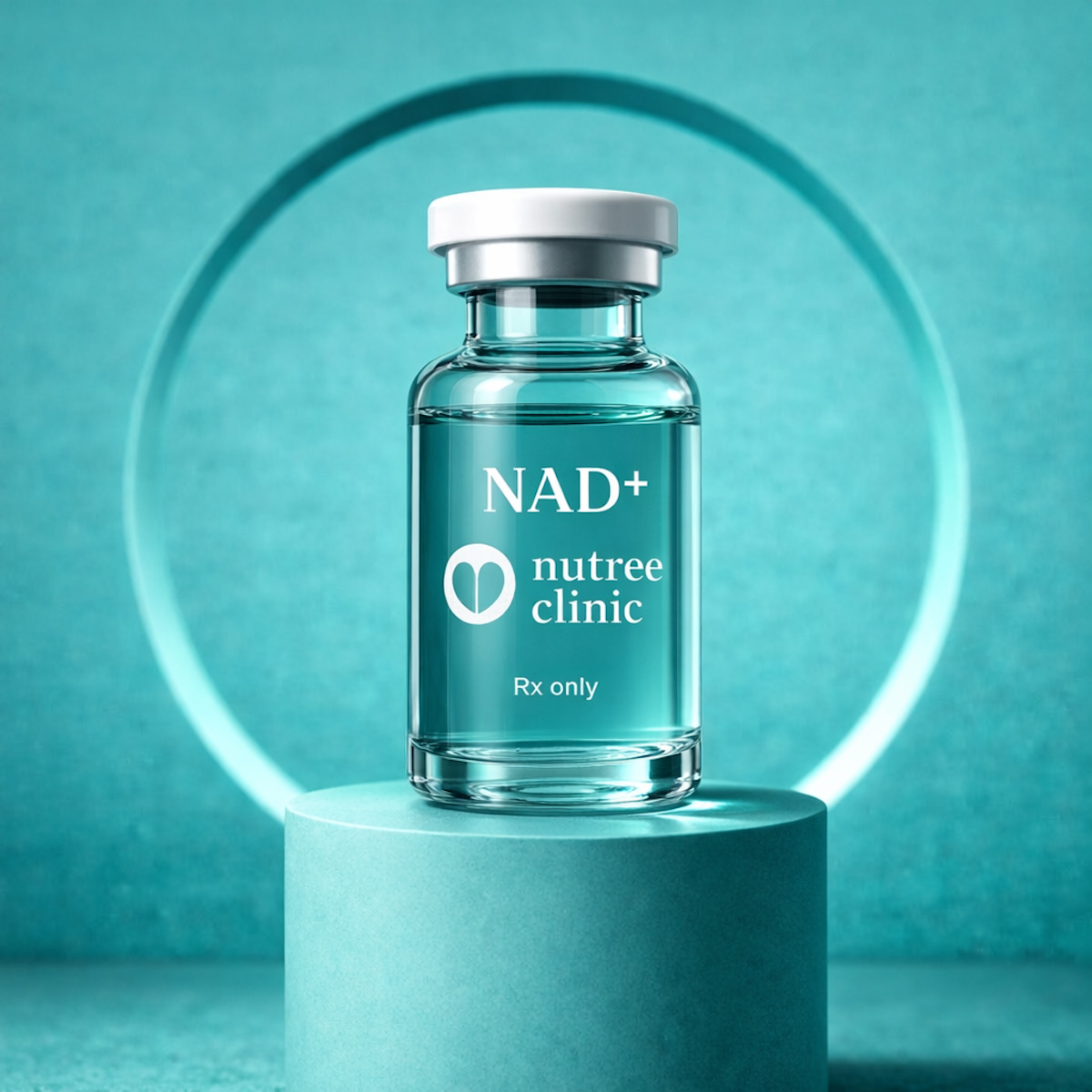
NAD+ / Energy / Healthy Aging
Is NAD Therapy for Energy Worth It?
NAD therapy is often discussed for energy, recovery, and healthy aging. But the most honest answer is not “more NAD equals more energy.” The right question is whether NAD+ support fits your body, your symptoms, and your broader health plan.
That 3 p.m. wall feels different when it stops being occasional and starts becoming your baseline. If you are looking into NAD therapy for energy, chances are you are not chasing a quick stimulant effect.
You may be looking for steadier physical and mental stamina, better recovery, and a more supported sense of vitality — without relying on more caffeine, more pressure, or another temporary fix.
That is a very real reason people become interested in NAD+ therapy. NAD+ plays an important role in cellular energy production, mitochondrial function, and processes connected to repair and healthy aging. But low energy is rarely caused by one factor alone, so NAD should be approached thoughtfully.
Interested in NAD+ support for energy?
Explore Nutree’s personalized NAD+ options — or start with clinician guidance to see what makes sense for your body.
What NAD therapy for energy is meant to do
NAD, short for nicotinamide adenine dinucleotide, is a coenzyme your body uses in almost every cell. Its most established role is helping cells turn nutrients into usable energy.
NAD+ is also involved in mitochondrial function, DNA repair, cellular stress responses, and other processes tied to resilience and healthy aging. That is why it is often discussed in longevity medicine, metabolic health, and energy-support conversations.
When people talk about NAD therapy for energy, they are usually referring to treatments designed to support cellular function so the body can produce and manage energy more efficiently over time.
This is different from drinking coffee or taking a stimulant. The goal is not to force a short-term jolt. The goal is to support the underlying systems that influence how your cells perform, recover, and respond to stress.
Why “more NAD” does not automatically mean “more energy”
NAD+ is biologically important, but fatigue is rarely about one molecule. Hormones, sleep quality, nutrition, blood sugar patterns, medication effects, chronic stress, inflammation, mood, and body composition can all shape how energized you feel.
That is why a responsible approach to NAD therapy starts with context. If your fatigue is driven mainly by sleep apnea, thyroid dysfunction, iron deficiency, depression, medication interactions, chronic under-eating, or highly inconsistent meals, NAD+ alone is unlikely to solve the problem.
Why energy problems are often tied to metabolism
Low energy is often treated like a motivation issue when it may actually be a metabolic one. Adults dealing with weight gain, insulin resistance, midlife changes, chronic stress, or inflammation often describe a deeper kind of depletion.
They may wake up unrefreshed, crash after meals, struggle to recover from workouts, feel mentally foggy, or feel like their stamina has quietly dropped.
In those cases, energy support has to account for the whole picture. That may include nutrition, muscle preservation, sleep routines, hormone patterns, metabolic health, and treatment of underlying issues.
For patients already working on body composition or metabolic health, NAD+ may be one supportive piece of a more complete plan. It can make the most sense when the goal is not just to feel more alert for a few hours, but to support resilience, recovery, and cellular function over time.
What the experience may feel like
People respond to NAD+ differently. Some patients report clearer thinking, less mental fatigue, steadier daytime energy, or better stamina with workouts and daily responsibilities. Others notice subtler changes, like fewer afternoon crashes or improved recovery after periods of stress or poor sleep.
The timeline can vary too. Some people feel a difference relatively quickly, while others need time and repeated support before they notice meaningful changes.
This is why unrealistic marketing can be frustrating. Energy support is personal. Your baseline health, age, sleep, metabolic status, nutrition, medications, and treatment plan all influence the outcome.
It is also worth saying that better energy does not always mean feeling wired. In a clinical setting, the goal is usually steadier function, not overstimulation. For many adults, especially busy professionals and midlife patients, that kind of stability is far more valuable than a short burst followed by another crash.
NAD+ support should be personalized — not pushed
Nutree Clinic offers NAD+ options with clinician-guided care, clear expectations, and a focus on your full health picture.
Who may be interested in NAD therapy for energy?
NAD therapy may be worth discussing if your low energy feels persistent, your lifestyle is already relatively health-conscious, and you want a medical approach that looks beyond surface-level fixes.
It may appeal to adults who feel run down despite trying to eat better, move more, improve sleep habits, or reduce stress. It may also be considered by people focused on healthy aging, metabolic support, workout recovery, travel recovery, or overall vitality.
In a telehealth setting, the best candidates are usually those willing to be evaluated carefully, communicate symptoms clearly, and follow a structured plan rather than self-prescribing based on trends.
What matters most is eligibility and fit. A responsible clinician should look at your health history, current medications, goals, and contributing symptoms before recommending treatment. If your fatigue points to another medical issue that needs direct attention, that should come first.
What NAD+ can and cannot do
NAD therapy has real appeal because it speaks to a common problem: feeling like your energy has quietly fallen off and never fully returned. But it helps to keep the claims grounded.
NAD+ may support:
- cellular energy production
- mitochondrial function
- recovery and resilience
- healthy aging support
- overall vitality as part of a broader plan
What it cannot do is override severe sleep deprivation, poor dietary intake, unmanaged stress, or undiagnosed medical conditions. It also should not be treated as a guaranteed cure for fatigue.
If a provider promises dramatic, universal results, that is a sign to slow down and ask better questions. The most effective care tends to be practical, individualized, and honest about what is known and what is still emerging.
How NAD+ fits into a broader energy plan
If you need energy support, you may also need better protein intake, improved blood sugar stability, strength training, deeper sleep, treatment for nutrient deficiencies, or a more sustainable approach to weight and metabolic health.
Those pieces are not separate from the conversation. They are the conversation.
At Nutree Clinic, NAD+ is not positioned as a stand-alone miracle solution. It is better understood as one possible tool within a personalized plan that may include:
- clinical review of symptoms and health history
- nutrition and hydration guidance
- metabolic health support
- sleep and recovery strategy
- medication and supplement review
- follow-up and adjustment based on response
That kind of structure helps patients avoid wasting time on treatments that are not matched to their actual needs.
Why clinician-guided care matters
When people feel depleted, it is easy to overfocus on the therapy itself and underfocus on the reason they are depleted. That is where clinician-guided care changes the experience.
Instead of treating fatigue like an isolated complaint, a good medical team looks at patterns: appetite, weight changes, sleep quality, stress load, activity level, recovery, medications, and metabolic health markers.
This matters because energy is connected to so many systems. If you are also dealing with weight management challenges, unstable hunger cues, poor recovery, or age-related changes in body composition, the right plan may involve more than one strategy.
NAD+ support may be helpful, but it should make sense within your full care plan. A personalized model is safer and more useful when expectations are clear. You should know what the treatment is intended to support, how progress will be monitored, and what signs suggest another underlying issue needs attention.
Explore NAD+ with real medical guidance
Start with Nutree’s NAD+ page to view options and understand whether NAD+ support may fit your goals.
How to think about the decision
If you are considering NAD therapy for energy, ask yourself what kind of result you are really looking for. Do you want a temporary lift, or do you want to understand why your energy has been low and build a plan that supports your body more effectively?
Those are very different paths.
The better path is usually the slower, more informed one. It starts with symptoms, history, and goals. It considers whether your fatigue is linked to age-related changes, metabolic strain, recovery needs, sleep disruption, nutritional gaps, medication effects, or something else entirely.
Then it uses therapy selectively, with follow-up and adjustments along the way. That approach fits the people most likely to benefit: adults who want legitimate care, clear expectations, and treatments made for their body rather than generic wellness promises.
Frequently asked questions
Can NAD therapy help with energy?
NAD+ plays a role in cellular energy production and mitochondrial function, so it may support energy and recovery for some patients. Results vary, and persistent fatigue should be evaluated in context rather than treated with NAD+ alone.
Is NAD+ like caffeine?
No. NAD+ is not a stimulant. It is involved in cellular energy pathways. The goal of NAD+ support is usually steadier cellular function and recovery, not a quick jolt or wired feeling.
How fast does NAD therapy work?
The timeline varies. Some people report changes relatively quickly, while others notice more gradual shifts in energy, focus, or recovery. Your baseline health, sleep, nutrition, metabolic status, and treatment plan can all influence response.
Who may be interested in NAD+ support?
Adults interested in energy, recovery, healthy aging, metabolic support, and cellular wellness often ask about NAD+. Whether it is appropriate depends on your health history, symptoms, goals, and clinician assessment.
Can NAD therapy fix fatigue by itself?
Not usually. Fatigue can be related to sleep, hormones, thyroid function, iron levels, nutrition, medications, stress, mood, or metabolic health. NAD+ may be supportive, but it should not replace evaluation for underlying causes.
How can I start NAD+ with Nutree Clinic?
You can start here: https://www.nutreeclinic.com/nad+. Nutree offers NAD+ options with clinician-guided care so patients can explore whether this type of support fits their goals.
Ready to explore NAD+ support?
Start with Nutree’s NAD+ page to view options and learn how clinician-guided care can support your energy, recovery, and wellness goals.
You may also like


References
- Rajman L, Chwalek K, Sinclair DA. Therapeutic potential of NAD-boosting molecules: the in vivo evidence. Cell Metabolism. 2018;27(3):529-547.
- Covarrubias AJ, Perrone R, Grozio A, Verdin E. NAD+ metabolism and its roles in cellular processes during ageing. Nature Reviews Molecular Cell Biology. 2021;22:119-141.
- Vinten KT, Trętowicz M, Coskun E, et al. NAD+ precursor supplementation in human ageing: clinical evidence and translational challenges. Nature Metabolism. 2025.
- Yoshino M, Yoshino J, Kayser BD, et al. Nicotinamide mononucleotide increases muscle insulin sensitivity in prediabetic women. Science. 2021;372(6547):1224-1229.
- Ji LL, Yeo D. Maintenance of NAD+ homeostasis in skeletal muscle during aging and exercise. Cells. 2022;11(4):710.
- Gilmour BC, et al. Age-dependent decline of NAD+ — universal truth or confounded consensus? Nutrients. 2022;14(1):101.
- Zhang H, Ryu D, Wu Y, et al. NAD+ repletion improves mitochondrial and stem cell function and enhances life span in mice. Science. 2016;352(6292):1436-1443.
Medical disclaimer: This content is for educational purposes only and does not provide medical advice, diagnosis, or treatment. NAD+ therapies are not guaranteed to improve energy or fatigue, and results vary. Persistent fatigue may have underlying medical causes and should be evaluated by a licensed clinician. Treatments should only be considered under appropriate medical guidance.