Sermorelin for Sleep, Recovery, Muscle & Aging | Nutree Clinic

Sermorelin / Peptide Therapy / Healthy Aging
Sermorelin: The Peptide Getting Attention for Sleep, Recovery, and Lean Muscle
Sermorelin is being discussed more often in longevity and wellness medicine because of how it supports the body’s natural growth hormone signaling. For adults focused on deeper sleep, recovery, metabolism, body composition, and healthy aging, the science is worth understanding — carefully.
Many adults notice a shift with age that is hard to explain at first. Sleep feels less restorative. Recovery takes longer. Muscle is harder to maintain. Energy feels less steady. Body composition changes even when habits have not changed much.
These changes are not always about effort or discipline. They can be connected to deeper biological signals — including the growth hormone axis, a system involved in repair, recovery, metabolism, lean mass, and sleep architecture.
Sermorelin is a peptide that works by stimulating the body’s own release of growth hormone rather than replacing growth hormone directly. That distinction is important. The goal is not to push the body into “more is always better.” The goal is to support a more natural signaling process when clinically appropriate.
Explore peptide support with medical guidance
Start with a clinician review, safety screening, and a plan designed around your goals, symptoms, and long-term wellness.
Why growth hormone signaling changes with age
Growth hormone secretion naturally peaks earlier in life and gradually declines with age. Researchers often refer to this age-related decline as part of the “somatopause.”
This matters because growth hormone and its downstream partner, IGF-1, are involved in many systems adults care about: muscle maintenance, fat metabolism, bone health, recovery, sleep patterns, and overall physical function.
That does not mean everyone needs treatment, and it does not mean higher levels are always better. The relationship is more nuanced. The body is designed to release growth hormone in pulses, especially during sleep, and healthy signaling depends on rhythm, feedback, and balance.
How Sermorelin works differently from growth hormone
Sermorelin is a synthetic version of part of growth hormone-releasing hormone, often called GHRH. Instead of giving the body growth hormone directly, Sermorelin signals the pituitary gland to release growth hormone through the body’s own pathway.
That is why Sermorelin is often described as supporting natural growth hormone signaling. It works upstream, asking the body to respond, rather than bypassing the system entirely.
Clinically, that distinction matters. A thoughtful provider is not trying to override the body. They are looking at symptoms, history, labs when appropriate, sleep, body composition, recovery, and safety factors to decide whether supporting the growth hormone axis makes sense.
Why people ask about Sermorelin for sleep and recovery
Growth hormone release is closely connected to sleep, especially deeper sleep stages. That is one reason Sermorelin is often discussed by patients who feel they are sleeping enough hours but still waking unrefreshed.
Some adults are not looking for “more energy” in the stimulant sense. They want better recovery, fewer crashes, improved resilience, and a stronger sense that the body is repairing overnight.
Sermorelin may be considered as part of that conversation, especially when sleep quality, muscle maintenance, recovery, and age-related changes are all part of the picture. But it should never be used as a substitute for evaluating common causes of poor sleep, such as sleep apnea, stress, alcohol use, medications, pain, or hormone changes.
The lean muscle and metabolism connection
Many adults notice that muscle becomes harder to build or maintain with age. This is especially frustrating for people who are also working on weight loss, because losing fat without preserving muscle can leave them feeling weaker, flatter, or less metabolically resilient.
Growth hormone signaling is one of several pathways involved in body composition. It interacts with protein metabolism, fat metabolism, exercise recovery, and the broader hormonal environment.
Sermorelin is not a muscle-building shortcut. It works best when paired with the basics that actually protect lean mass: enough protein, resistance training, sleep, hydration, and a weight-loss plan that does not push the body too aggressively.
For patients using GLP-1 medications, this conversation becomes even more important. When appetite drops, protein intake and strength support need to be intentional. Sermorelin may be one supportive tool in a broader plan focused on preserving strength and improving recovery.
What about focus and cognitive clarity?
Patients often describe the same cluster of concerns together: poor sleep, low recovery, less energy, and brain fog. That makes sense because the systems involved in sleep, metabolism, hormones, and cognitive function are deeply connected.
Growth hormone and IGF-1 pathways have been studied in relation to brain health and cognitive aging, but this is still a complex area of research. It would be too simplistic to say Sermorelin directly improves focus for everyone.
A more accurate way to say it is this: if Sermorelin helps support sleep quality, recovery, and metabolic balance in the right patient, some people may also feel clearer and more restored. But brain fog should always be evaluated in context, because thyroid issues, anemia, poor sleep, nutrient deficiencies, stress, blood sugar swings, and medication effects can all play a role.
Injections, nasal spray, and the importance of the route
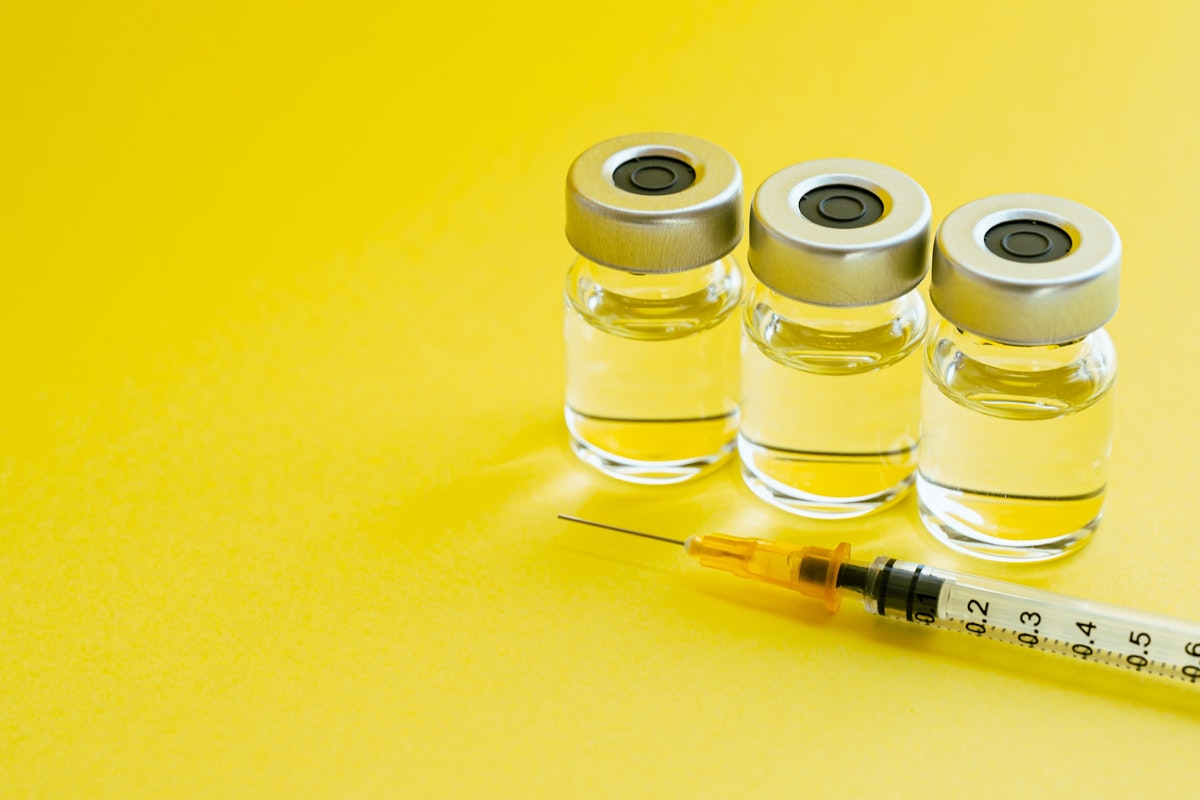
Sermorelin has historically been used as an injectable therapy, and injections have more established clinical experience and dosing structure behind them.
Nasal delivery is now getting more attention because it is needle-free and may be easier for some patients to use consistently. The nasal cavity is also an interesting delivery route because it sits close to pathways connected to the central nervous system.
Still, newer does not automatically mean better. The delivery method should not be chosen because it sounds trendy. It should be chosen based on the patient’s goals, comfort, adherence, clinical profile, and provider recommendation.
In other words, the format is secondary. The first decision is whether Sermorelin belongs in the care plan at all.
Who may be interested in Sermorelin?
Sermorelin may be worth discussing for adults who feel that sleep, recovery, muscle maintenance, energy, or body composition have shifted with age — especially when those concerns are part of a broader healthy aging or metabolic health plan.
It may also interest patients who are actively working on weight loss and want to protect strength, recovery, and long-term vitality along the way.
But not everyone is a candidate. A responsible clinician should review your medical history, medications, symptoms, goals, and lab markers when appropriate. Growth hormone-related pathways are powerful, and they should be approached with respect.
Why clinician-guided care matters
Sermorelin should not be something people self-select based on social media, a podcast, or a wellness trend. The right use depends on the full picture: sleep quality, body composition, fatigue patterns, recovery, metabolic health, medical history, and risk factors.
Good care also means monitoring. Your clinician may want to follow symptoms, side effects, treatment response, and relevant biomarkers. The plan may need adjustment over time, especially if your goals include weight loss, muscle preservation, or healthy aging.
At Nutree Clinic, the goal is not to chase every trend. It is to use science thoughtfully — with care that feels personal, medically grounded, and realistic.
Frequently asked questions
What is Sermorelin?
Sermorelin is a peptide related to growth hormone-releasing hormone. It signals the pituitary gland to release growth hormone through the body’s own pathway, rather than supplying growth hormone directly.
Can Sermorelin help with sleep?
Sermorelin is often discussed in relation to sleep because growth hormone release is connected to deeper sleep stages. Some patients may notice better recovery or more restorative sleep, but sleep issues should always be evaluated in context.
Is Sermorelin the same as growth hormone?
No. Sermorelin is not growth hormone. It stimulates the body’s own growth hormone release through the pituitary gland, which is different from giving growth hormone directly.
Can Sermorelin support lean muscle?
Sermorelin may support pathways involved in recovery and body composition, but it is not a substitute for protein intake, resistance training, sleep, or a structured plan. Muscle preservation should be addressed with a complete care strategy.
Is nasal Sermorelin better than injections?
Not necessarily. Injections have longer clinical use and more established dosing experience. Nasal delivery is newer and may be more convenient for some people, but the best option depends on your goals, comfort, health history, and clinician recommendation.
Who should consider Sermorelin?
Adults interested in sleep, recovery, muscle maintenance, metabolism, and healthy aging may ask about Sermorelin. Whether it is appropriate depends on medical history, symptoms, goals, safety factors, and clinician evaluation.
Ready to explore peptide therapy with medical guidance?
Start with a clinician-guided review to see whether Sermorelin or another wellness support option makes sense for your body.
You may also like


References
- Bartke A, Sun LY, Longo V. Somatotropic signaling: trade-offs between growth, reproductive development, and longevity. Physiological Reviews. 2013;93(2):571-598.
- Endotext. Growth Hormone in Aging. National Center for Biotechnology Information.
- Corpas E, Harman SM, Blackman MR. Human growth hormone and human aging. Endocrine Reviews. 1993;14(1):20-39.
- Khorram O, Laughlin GA, Yen SSC. Endocrine and metabolic effects of long-term administration of growth hormone-releasing hormone in age-advanced men and women. Journal of Clinical Endocrinology & Metabolism. 1997;82(5):1472-1479.
- Müller EE, Locatelli V, Cocchi D. Neuroendocrine control of growth hormone secretion. Physiological Reviews. 1999;79(2):511-607.
- Frontiers in Aging. Growth hormone and aging: a clinical review. 2025.
Medical disclaimer: This content is for educational purposes only and does not provide medical advice, diagnosis, or treatment. Sermorelin and other peptide therapies are not appropriate for everyone. They require clinical evaluation, individualized dosing, and medical monitoring. Claims related to sleep, recovery, lean muscle, metabolism, focus, or healthy aging vary by patient and are not guaranteed. If you have a history of cancer, pituitary disorders, uncontrolled medical conditions, pregnancy, or other health concerns, speak with a licensed clinician before considering treatment.
```